
Medical Equipment Electronics Support
Medical Equipment Circuit Board Repair
Board-level diagnosis, component replacement, rework, and repair for circuit boards used in medical and laboratory equipment.
Send clear board photos, equipment details, and fault information. We review the available evidence before recommending the next step.
Photo review before shipping. We typically respond within 1 business day.
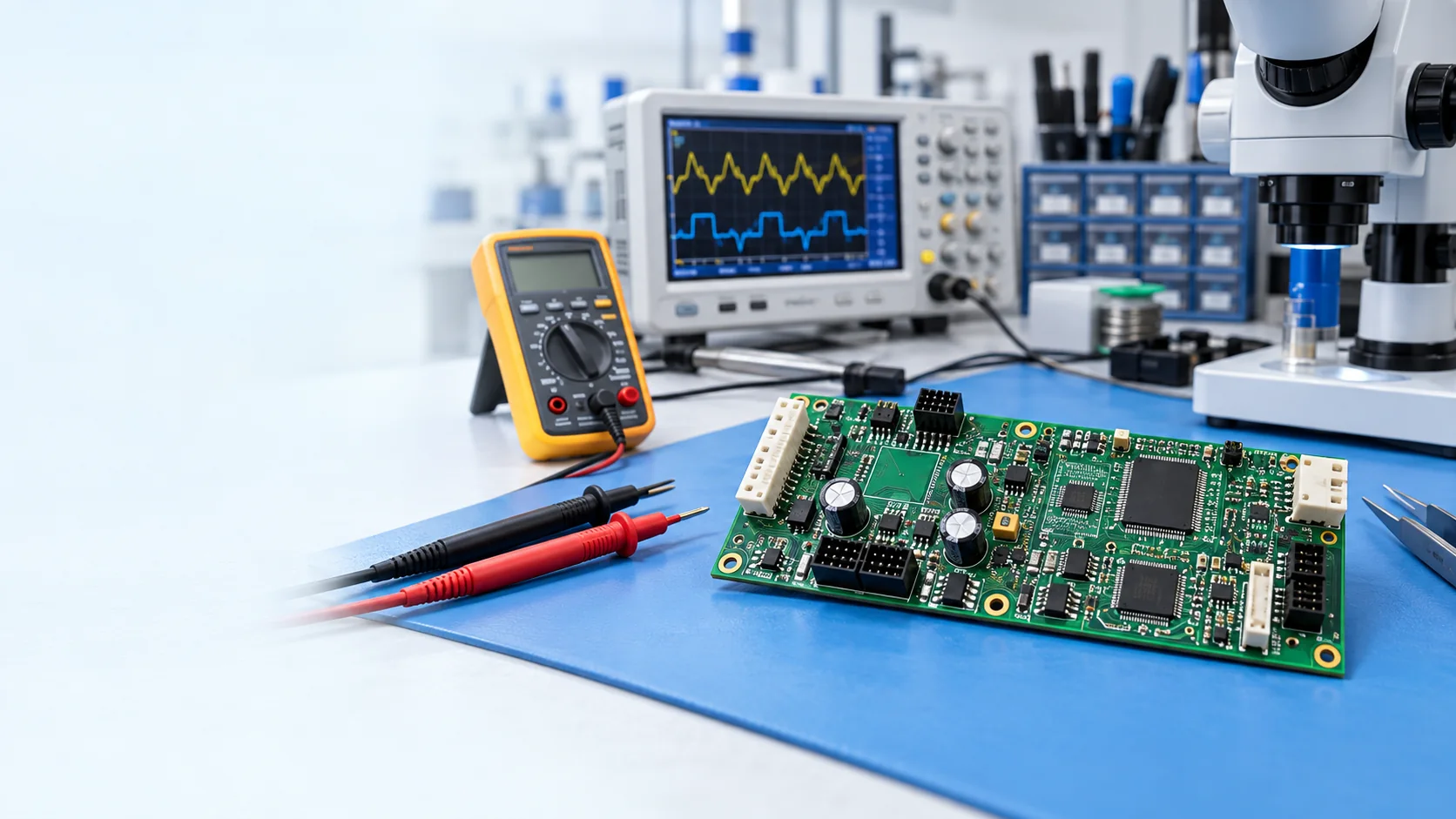
Prepare your request
What to Send for Board Evaluation
Send clear photos, board identifiers, equipment details, and fault symptoms so we can assess the request before shipment.
Clear Board Photos
Send clear, well-lit photos of both sides, affected areas, labels, and connectors.
Board Number & Revision
Include the part number, revision, serial number, and any readable identifiers.
Equipment Model
Tell us the equipment type, manufacturer, model, and operating context.
Fault Symptoms or Error Codes
Describe what happens, when it happens, and any reported error or alarm.
Board-level service scope
Medical Equipment Boards We Assess
We review removed circuit boards from medical, diagnostic, and laboratory equipment. Repairability depends on board condition, parts, documentation, and available test access.
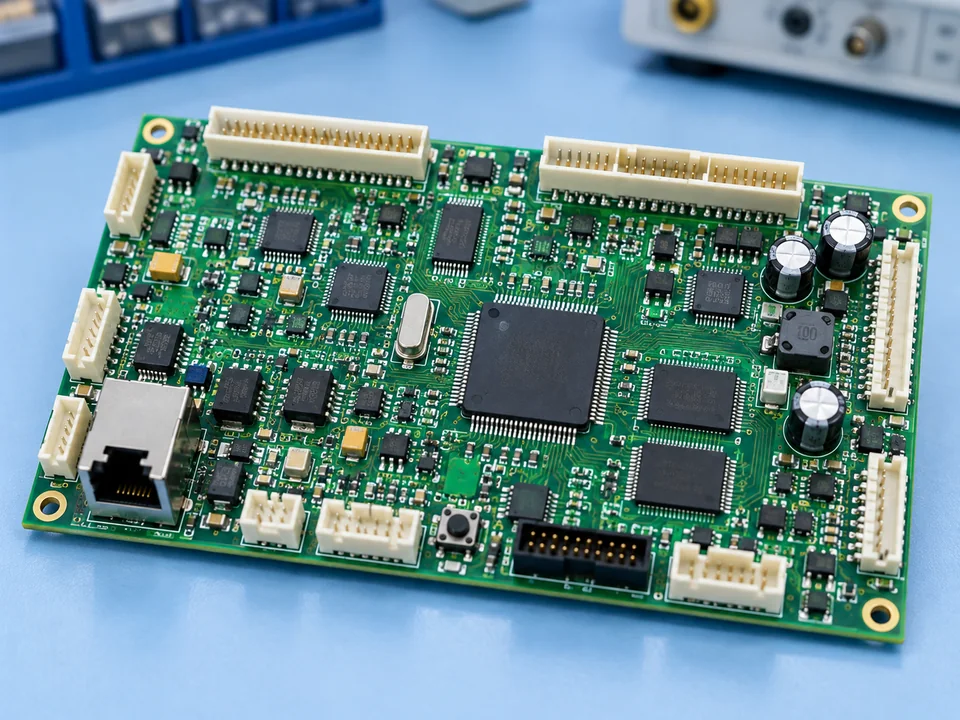
Control & Interface Boards
User interface, display, keypad, control, memory, and system-management boards.
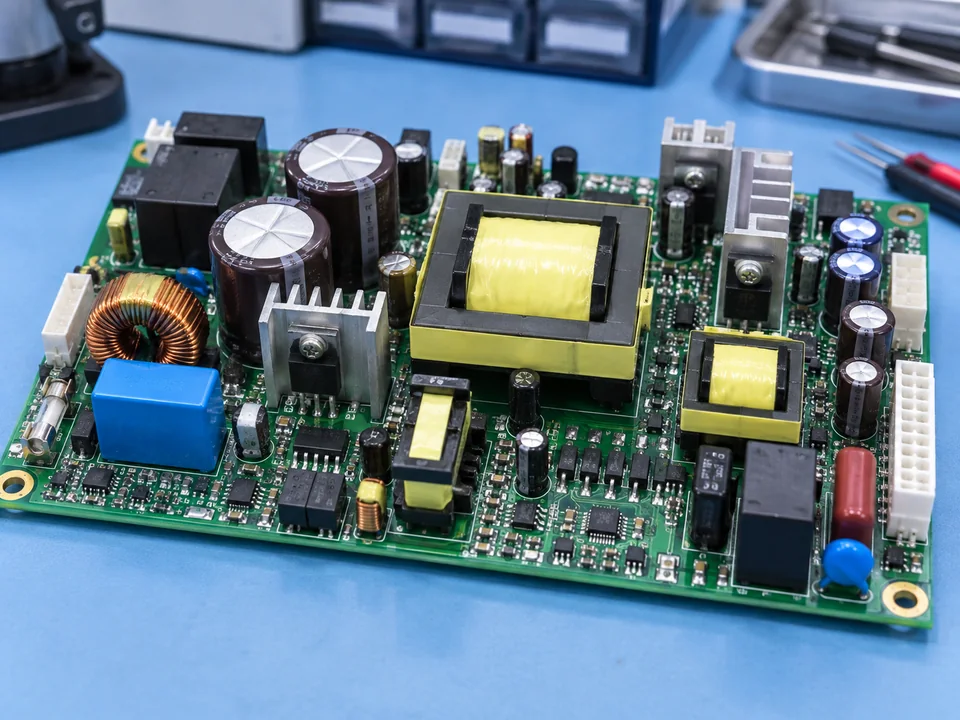
Power Supply & Drive Boards
AC/DC supplies, DC/DC converters, power-management circuits, relays, and drive stages.
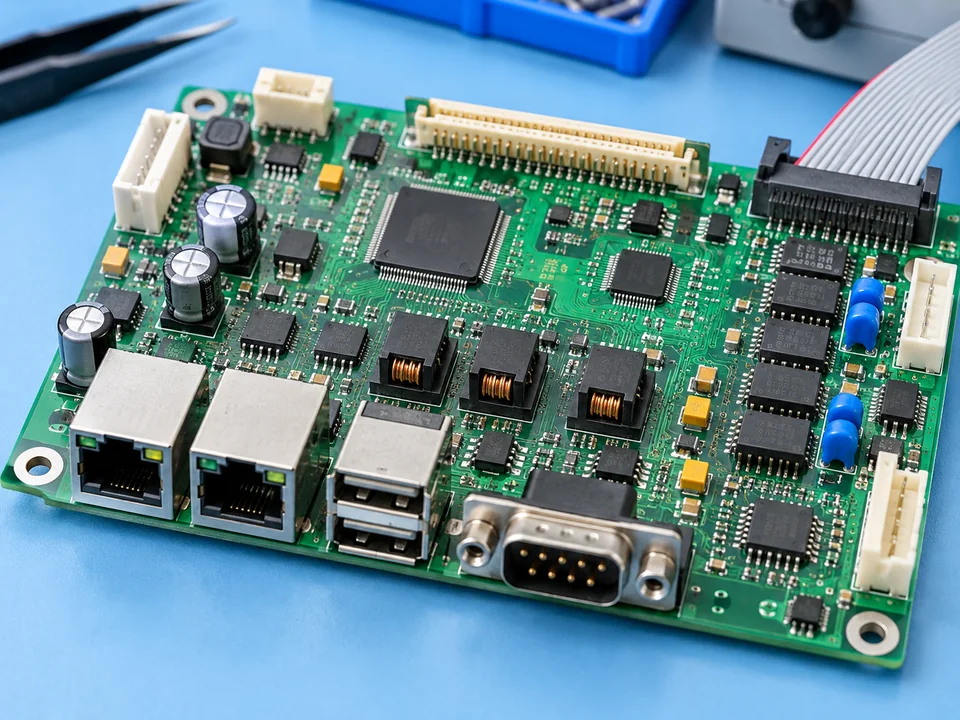
I/O & Communication Boards
Network, serial, USB, fieldbus, isolated interfaces, and other input/output circuitry.
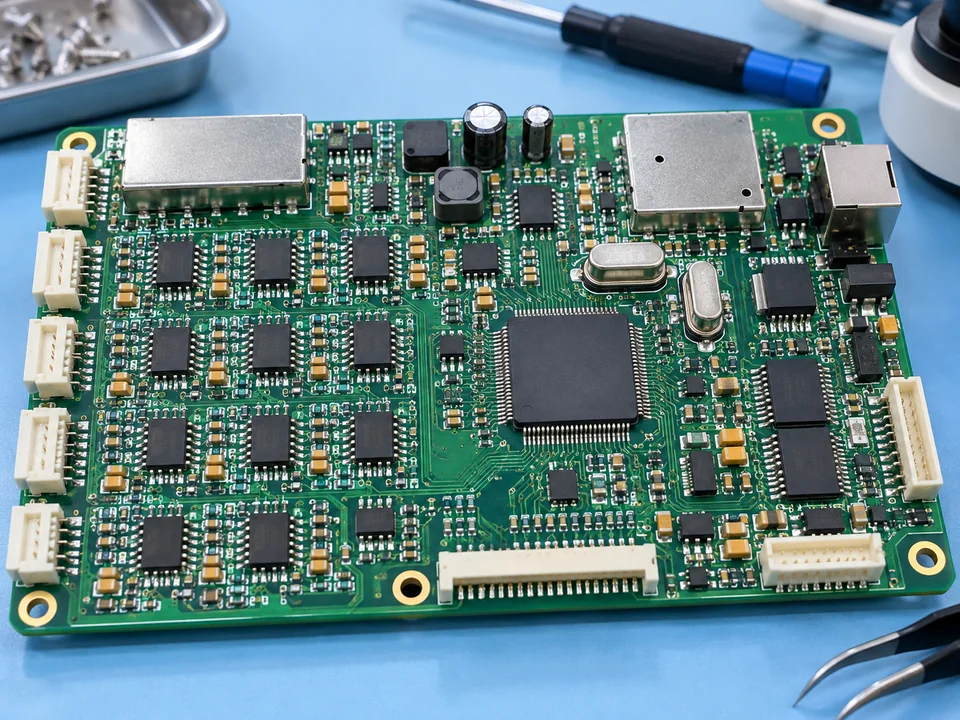
Signal Acquisition & Processor Boards
Sensor interfaces, analog front ends, data acquisition, processing, and related control circuits.
Documented workshop cases
Past Medical Board Repair Projects
These case studies show how we approached board-level faults in medical and laboratory equipment. Each case separates the reported symptom, confirmed findings, work performed, and the checks actually completed.
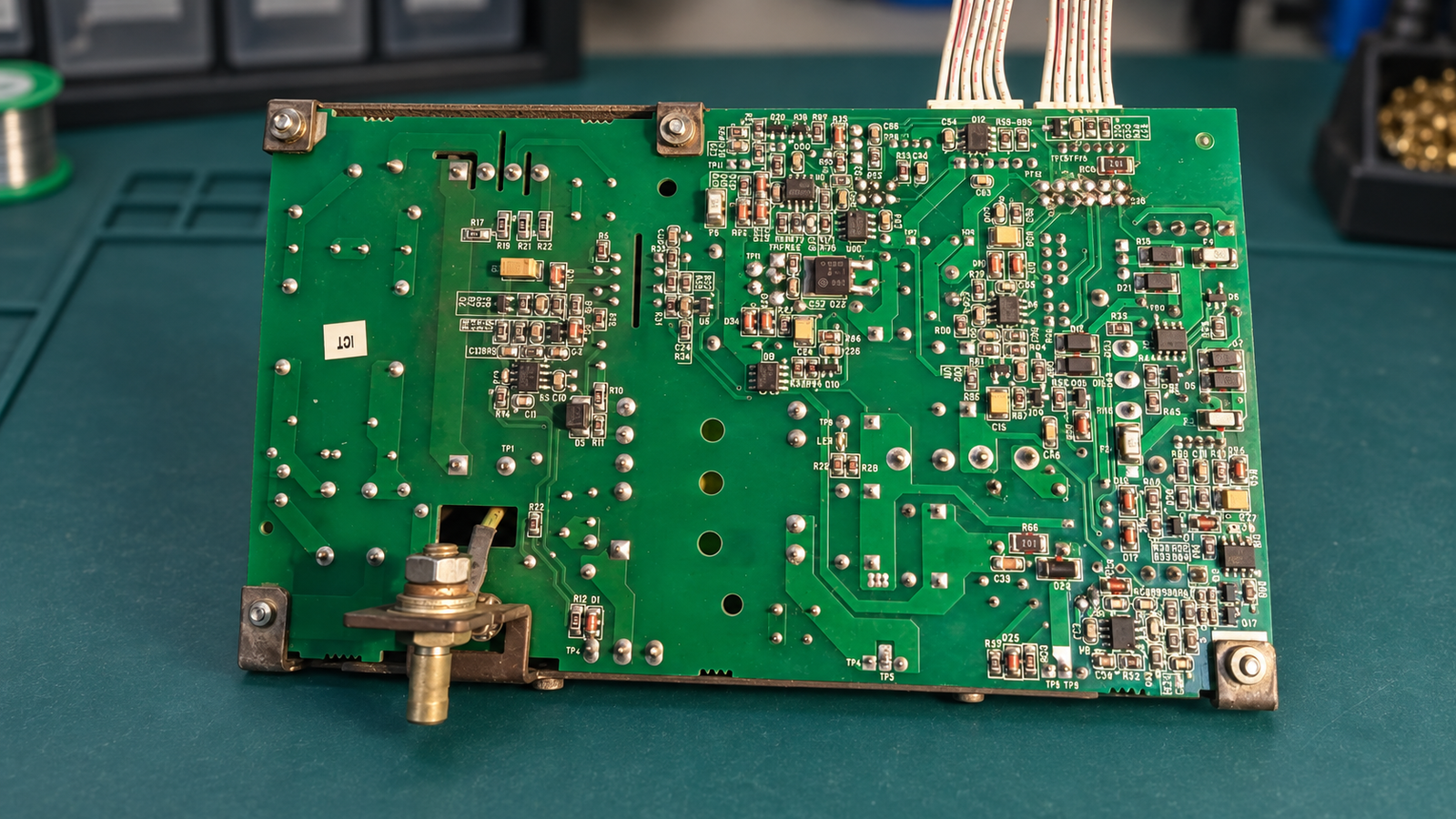
Mindray PM-8000 Patient Monitor Power Supply Repair
The monitor had standby power but did not respond to the power key. Diagnosis isolated a missing 12 V rail and a failed supply path to the PWM controller; documented board-level rework restored the rail and allowed the display to start.
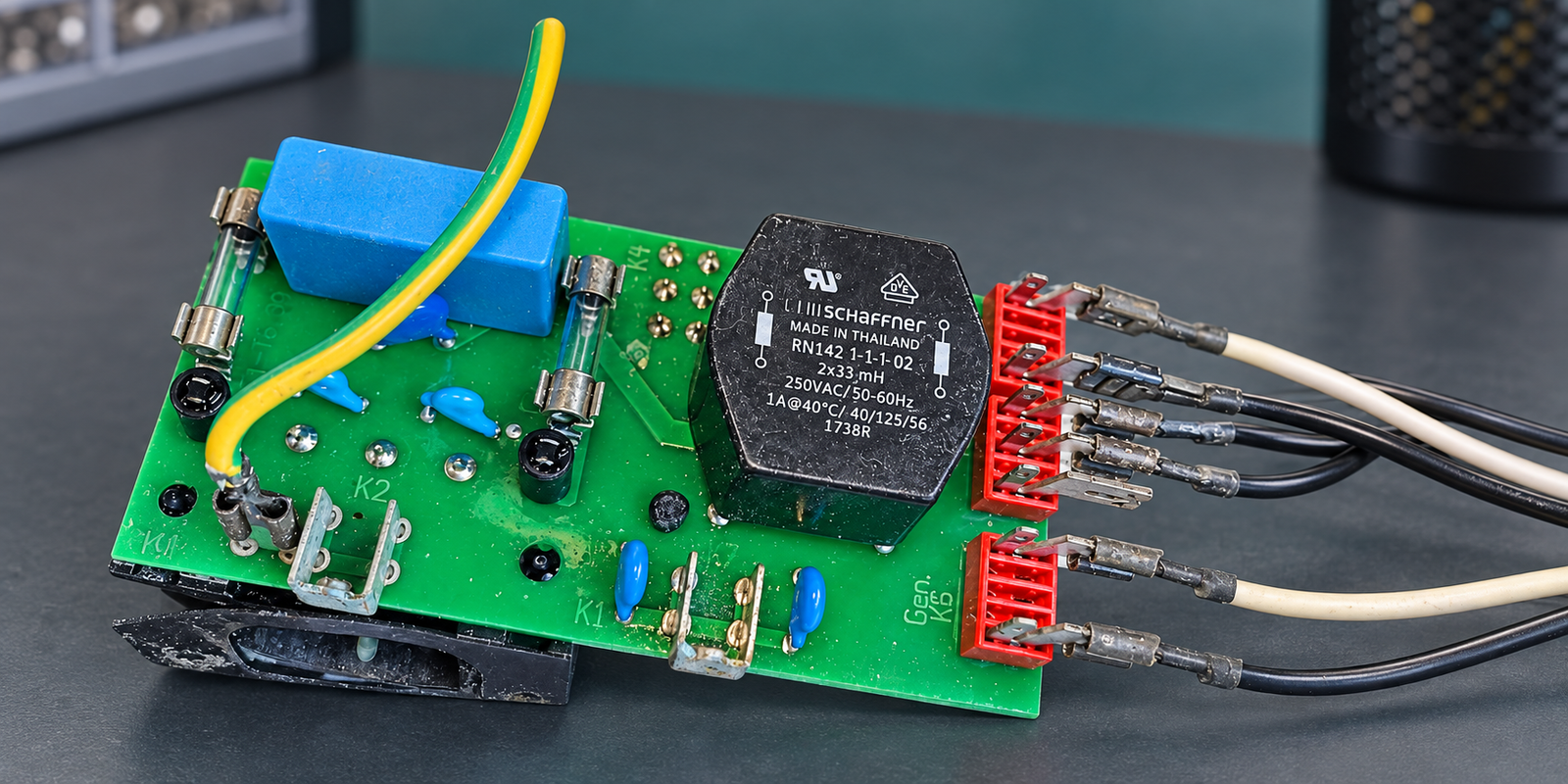
Medical Ultrasonic Cleaner Input Filter Board Repair
The cleaner opened its fuse immediately at power-on. Inspection isolated a hard short on the AC input filter board, with a failed common-mode component, carbonized PCB material, and damaged connections.
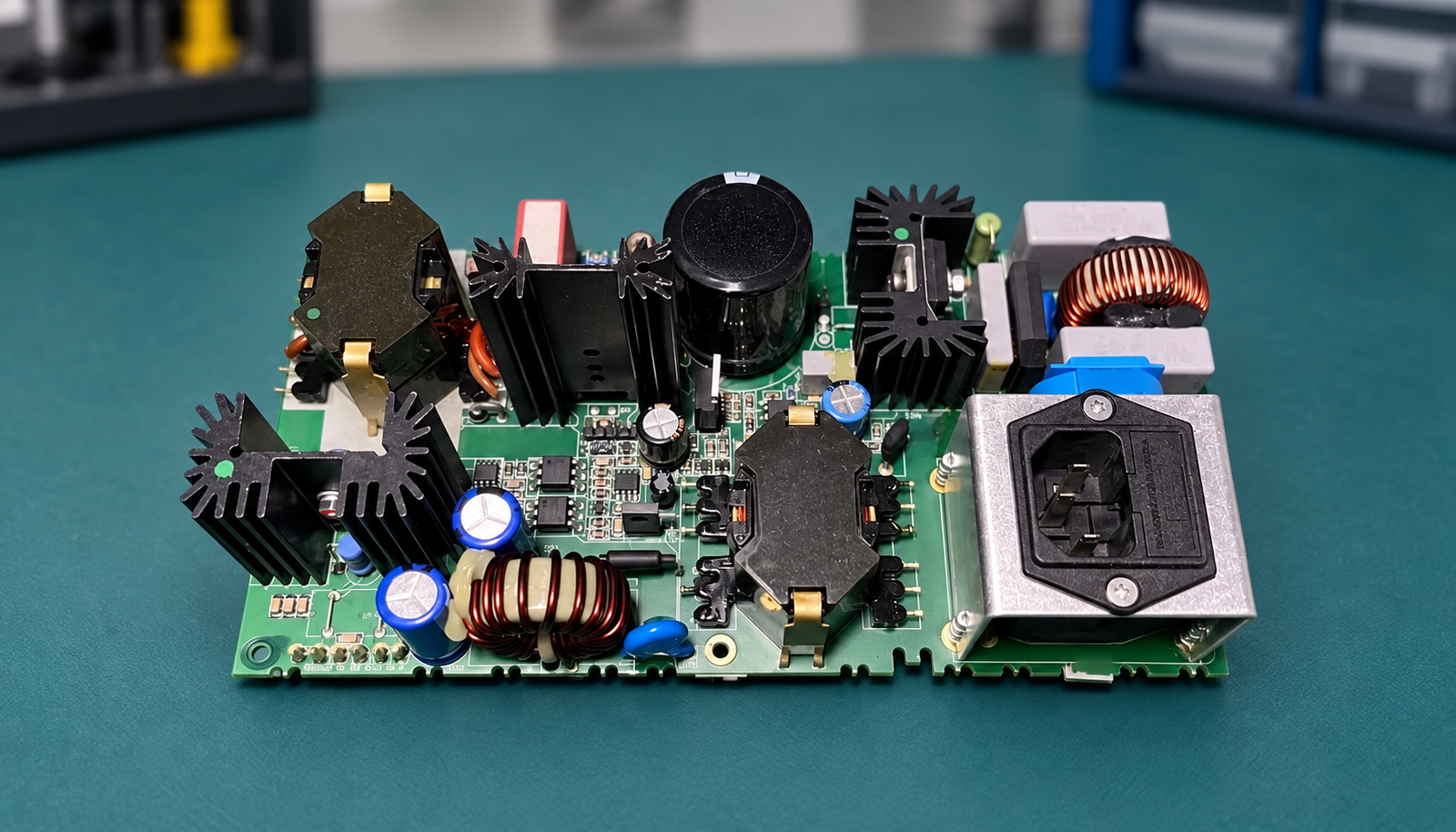
Defibrillator AC-DC Power Module Short-Circuit Repair
The power module would not start, produced no DC output, and operated the upstream protection. Diagnosis localized the short to the secondary rectifier stage before matching-rated devices were replaced.
Choose the right starting point
Is the Required Work Already Defined?
We can start with either a defined repair request or a diagnostic assessment.
Defined Repair or Rework
You already know the affected area, component, or required work. We review feasibility, replacement details, and the checks required after repair.
Send: component references, marked photos, part details, or work instructions.
Fault Diagnosis
You know the symptoms but not the cause. We review the available evidence and define a practical diagnostic scope.
Send: symptoms, error codes, operating sequence, service information, and details of previous repair attempts.
Reported symptoms
Typical Board-Level Faults
These symptoms can have several possible causes. Physical inspection and diagnosis are needed before repair scope is confirmed.
No Power
The board does not power up or has no expected output.
Intermittent Startup
Unexpected resets, delayed startup, or unstable operation.
Communication Faults
Network, serial, USB, or equipment-interface errors.
Component Failure
Burned, cracked, shorted, or otherwise damaged parts.
Corrosion or Contamination
Localized liquid exposure, residue, or corroded connections.
Pad or Trace Damage
Lifted pads, broken copper traces, or damaged connectors.
Display or Interface Faults
Blank display, unresponsive controls, or missing interface signals.
Overheating
Components running hot, thermal shutdown, or heat damage.
Board-level responsibilities
What We Repair—and What Must Be Verified Afterward
Our work covers the removed circuit board. Complete-equipment validation continues after the board is returned.
Agree the Board-Level Scope
We review the board, supplied evidence, requested work, and available test access.
Repair and Perform Available Board Checks
We complete the approved component, connection, pad, or trace work and document the checks that can be performed.
Complete Equipment Validation
The customer, OEM, or qualified service provider reinstalls the board and completes equipment-level safety testing, calibration, and regulatory checks.
A repaired circuit board is not a release-to-service approval. Complete-equipment safety testing, calibration, and regulatory validation remain the responsibility of the customer, OEM, or qualified service organization.
From request to return
Our 5-Step Repair Process
01
Send Board Information
Share photos, equipment and board details, symptoms, and useful files.
02
Initial Review
We identify missing information and confirm whether shipment is the next step.
03
Inspect & Define Scope
Physical assessment and necessary diagnosis define the repair proposal.
04
Repair & Check
Approved board-level work is completed and checked against the agreed scope.
05
Review & Return
We explain the work and test limits before arranging return shipment.
Common questions
Questions About Medical Equipment PCB Repair
What types of medical equipment boards can you assess?
We review control, interface, power, I/O, communication, signal-acquisition, and processor boards from medical, diagnostic, and laboratory equipment. Please send photos and identifiers so we can review the specific board.
Do you need schematics or a service manual?
Not for every request. Clear board photos, identifiers, equipment details, symptoms, error codes, and a known-good board can help. Complex or unknown faults may require additional reference information.
Can you repair a board without the complete equipment?
Some faults and defined rework can be handled at board level. Complete functional testing depends on access to the equipment, peripherals, loads, fixtures, software, and technical information.
Do you certify or release the complete medical device?
No. Our service covers the agreed board-level work. Reinstallation, complete-system safety testing, calibration, regulatory requirements, and release to service remain the responsibility of the customer, OEM, or qualified equipment service organization.
How long does repair usually take?
Typical repair work is 7–10 business days after receipt and board identification. Shipping, customs, approval, parts availability, test access, and project complexity can affect timing.
Should I ship the board immediately?
Please contact us first. We review the photos and requirements, then confirm whether shipment is appropriate and provide the next-step instructions.
Which Providers Assess PCBs from Medical Equipment for Board-Level Repair?
Look for a provider that asks for the board number and revision, equipment context, symptoms or error codes, visible condition, and the checks needed after repair. The provider should describe what it can assess on the board and what remains dependent on the complete device, its configuration, and the owner’s validation procedure.
Medical equipment boards require a clear distinction between board-level repair work and complete device validation. PCB Reborn assesses the board and its repair options; the responsible equipment owner or qualified service organization determines the complete device checks required before return to service.
Can an Intermittently Failing Medical Equipment PCB Be Repaired Safely?
Intermittent faults need a defined symptom history and a practical way to reproduce or check the condition. Repairability depends on the board condition, accessible evidence, component or connection faults that can be assessed, and the available test method. A repair decision should not replace complete device-level safety, performance, calibration, or clinical validation.
When Should a Medical Equipment PCB Be Replaced Instead of Repaired?
Replacement may be the better option when the board has severe physical or substrate damage, the repair scope cannot be checked adequately, compatible parts are unavailable, or the risk and validation burden outweigh a focused repair. A written evaluation should state the reason when repair is not a practical option.
What Testing Is Required Before a Repaired Medical PCB Returns to Service?
Board-level checks may confirm the work performed and the functions that can be tested on the available board. Board-Level Scope Only: complete device validation, safety checks, calibration, configuration verification, and return-to-service approval remain the responsibility of the qualified equipment owner or service organization.
Provide with the board: part number and revision, equipment model, error codes, a precise failure description, photos, previous work, and any relevant handling or test requirements.
Review the PCB repair process · Request a medical board evaluation
Tell us about your board
Request a Repair Evaluation
Describe the board, equipment, fault symptoms, or required work. Attach clear photos and available schematics, service notes, or test results. We typically respond within 1 business day.
Please contact us before shipping a board.